
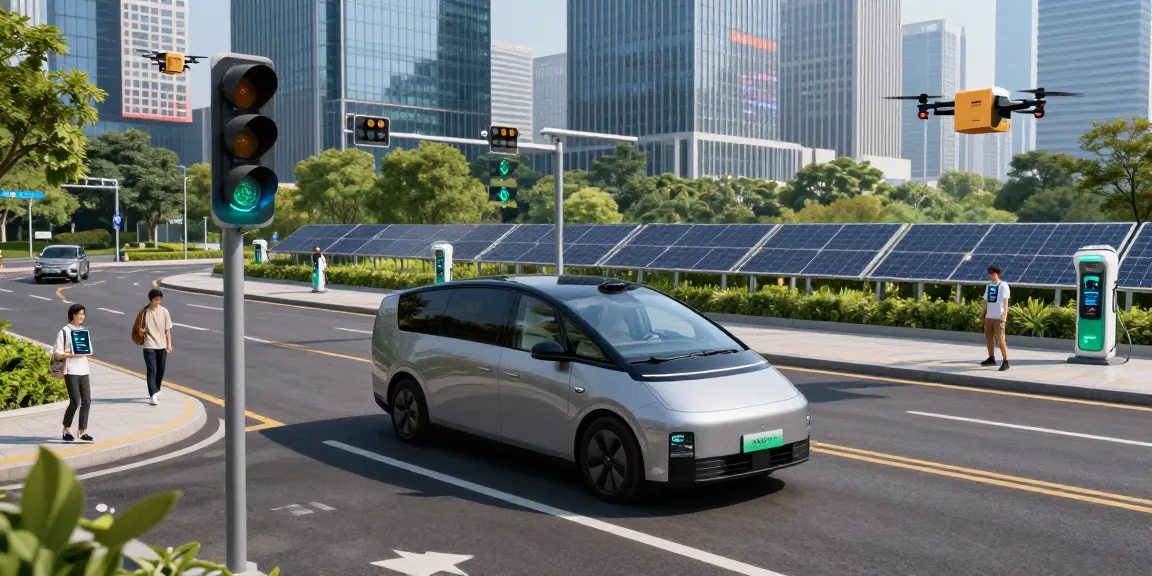
The Evolution of Autonomous Driving Technology
Autonomous driving technology has progressed in leaps and bounds over the past few decades, reshaping our understanding of transportation. From the early experiments with self-driving concepts to the robust systems we have today, each advancement has built a foundation for the future of mobility. In 2026, the integration of autonomous driving solutions is expected to revolutionize not just vehicles but also the urban landscapes they navigate.
Historical Milestones in Autonomous Vehicles
The road to fully autonomous vehicles began in the 1980s with the introduction of the first autonomous vehicles developed by researchers at Carnegie Mellon University. These early prototypes laid the groundwork for subsequent developments, but significant strides were not made until the early 2000s when the DARPA Grand Challenge brought increased attention to the potential of self-driving technology. With challenges designed to push the limits of robotics and AI, companies began to invest heavily in the research and development of autonomous vehicles.
In 2010, Google (now Waymo) introduced its autonomous driving project, which demonstrated the capabilities of self-driving cars in complex environments. This initiative spearheaded advancements in machine learning and computer vision, which are critical for enabling vehicles to navigate safely and efficiently. By the mid-2010s, several manufacturers, including Tesla, Ford, and General Motors, began launching their own autonomous vehicle projects, culminating in the widespread use of advanced driver-assistance systems (ADAS) in consumer vehicles.
Current State of Self-Driving Technologies
Today, the autonomous driving landscape features a mix of fully autonomous vehicles, semi-autonomous systems, and various advanced driver assistance technologies. Brands like Tesla and Waymo have made headlines for their innovations in self-driving capabilities, utilizing a combination of sensors, cameras, and cutting-edge algorithms. Currently, most self-driving vehicles operate at Level 2 or Level 3, where human drivers remain responsible for vehicle control, but automated features assist with functions like steering, acceleration, and braking.
As we move into 2026, companies continue to develop technology that pushes the boundaries of what is possible. Full Level 5 autonomy—where a vehicle can operate without any human intervention—remains on the horizon, with various hurdles still to be addressed.
How Autonomous Driving Works
Understanding how autonomous driving works requires diving into the technology behind it. The intricate ecosystem involves hardware and software components that work together seamlessly to enable cars to drive themselves.
Technical Components of Self-Driving Cars
At its core, an autonomous vehicle is comprised of multiple systems working in tandem. Essential components include:
- LiDAR: A laser-based radar technology that helps create a 3D map of the vehicle’s surroundings.
- Radar: Allows cars to detect objects and measure their distance and speed.
- Cameras: Capture visual information that aids in object detection and recognition.
- GPS: Provides location data to assist in navigation.
- Computing Systems: Run complex algorithms that process data from the various sensors and make real-time driving decisions.
Sensor Technologies and Their Role
Sensors are the eyes and ears of an autonomous vehicle, providing essential information about the vehicle’s environment. Each sensor type plays a unique role in ensuring safety and functionality. For instance, LiDAR provides crucial data under various light conditions, while cameras are vital for recognizing traffic signals and pedestrians. The fusion of data from these sensors allows the vehicle’s computing systems to create a comprehensive understanding of its surroundings.
Software Algorithms Behind Autonomous Systems
Software algorithms serve as the brain of autonomous vehicles, interpreting input from sensors and determining how the car should respond to different scenarios. This includes everything from basic driving tasks like steering and acceleration to advanced decision-making processes such as navigating complex traffic. Machine learning algorithms enable these systems to improve over time as they collect more data from real-world driving experiences, enhancing their accuracy and reliability.
Safety and Regulations for Autonomous Vehicles
As autonomous technology advances, safety and regulatory considerations become paramount in shaping its adoption and public acceptance. Ensuring the safety of both occupants and pedestrians remains a significant challenge for the industry.
Understanding Regulatory Frameworks
Regulations surrounding autonomous vehicles vary significantly across regions, with each government offering different guidelines and requirements for testing and deployment. In the United States, the National Highway Traffic Safety Administration (NHTSA) plays a crucial role in developing safety standards and protocols. The challenge lies in creating a cohesive regulatory landscape that can evolve as technology advances.
Safety Protocols for Autonomous Driving
Developers of autonomous vehicles must establish stringent safety protocols. This involves extensive testing, both in controlled environments and on public roads. Companies typically conduct simulation tests to evaluate vehicle behavior under numerous scenarios, followed by real-world trials. Continuous monitoring and improvements are necessary to ensure the vehicles can respond appropriately to dynamic driving conditions.
Public Perception and Trust in Self-Driving Cars
Public perception significantly impacts the adoption of autonomous vehicles. Surveys indicate that while many people are intrigued by the concept of self-driving cars, concerns about safety and reliability persist. Building trust through transparency, education, and demonstrable safety records will be essential as the industry moves towards greater integration of autonomous technologies.
Future Trends and Predictions for 2026
As we look ahead to 2026, several trends are anticipated to shape the evolution of autonomous driving technology. These developments are expected to influence both the technology itself and broader societal implications.
Integration of AI in Autonomous Driving
The integration of artificial intelligence (AI) will be a game-changer for the future of autonomous driving. AI algorithms will continue to enhance vehicle capabilities, enabling them to make better, faster decisions. Machine learning models will allow cars to learn from their surroundings and improve in real-time, making them safer and more efficient on the road.
Impact on Urban Planning and Infrastructure
The rise of autonomous vehicles is likely to have profound implications for urban planning. Cities may need to re-evaluate road designs, traffic management, and parking facilities to accommodate self-driving cars. Innovative transportation solutions, such as dedicated lanes for autonomous vehicles and smarter traffic signals, may emerge to enhance the flow of traffic and reduce congestion.
Environmental Benefits of Autonomous Vehicles
As more autonomous vehicles hit the roads, their adoption could lead to lower emissions and reduced traffic congestion. With optimized driving patterns enabled by AI, vehicles can drive more efficiently, potentially leading to decreased fuel consumption. The transition to electric autonomous vehicles further contributes to reduced environmental impact, making this technology a crucial player in sustainable transportation.
Challenges Facing Autonomous Driving Adoption
Despite the promise of self-driving technology, several challenges must be addressed to achieve widespread adoption. These obstacles range from technical issues to societal concerns that require careful consideration.
Technical Limitations and Challenges
Autonomous vehicles still face several technical limitations. Weather conditions, such as heavy rain or snow, can hinder the functionality of sensors, resulting in decreased performance. Furthermore, the complexity of navigating unpredictable human behavior on the road represents another significant challenge. Continuous improvement in sensor technology and software capabilities is essential to overcome these barriers.
Ethical Considerations in Autonomous Driving
Ethical dilemmas surrounding autonomous vehicles contribute to the complexity of their deployment. Questions regarding decision-making in emergencies—such as how a vehicle should react when faced with unavoidable accidents—remain a contentious issue. Establishing ethical guidelines will be critical for developers and regulators alike as they navigate this uncharted territory.
Barriers to Mass Consumer Acceptance
The current skepticism surrounding autonomous vehicles represents one of the most significant barriers to their widespread acceptance. Addressing consumer concerns about safety, privacy, and job displacement in the transportation sector will be fundamental for the industry. Engaging in open dialogues with the public and demonstrating the value and safety of self-driving technology can facilitate greater acceptance.
What are the main benefits of autonomous driving?
Autonomous driving offers numerous benefits, including increased safety due to fewer human errors, more efficient traffic flow, reduced congestion, and the potential for enhanced mobility for individuals unable to drive.
How do self-driving cars communicate with each other?
Self-driving cars can communicate with each other and infrastructure via vehicle-to-vehicle (V2V) and vehicle-to-infrastructure (V2I) technologies, allowing them to share information about traffic, road conditions, and potential hazards.
What regulations are in place for autonomous vehicles?
Regulations for autonomous vehicles vary by region, but generally include requirements for testing, liability insurance, safety standards, and data privacy protections to ensure public safety and confidence.
What technologies are essential for autonomous driving?
Essential technologies for autonomous driving include sensors (LiDAR, radar, cameras), high-performance computing units, GPS, and advanced algorithms for data processing and decision-making.
How will autonomous vehicles change urban landscapes?
Autonomous vehicles are expected to lead to redesigned urban landscapes with fewer parking lots, improved public transportation systems, and possibly the creation of pedestrian-friendly spaces as vehicles can optimize their positioning and routing.